

Providing journalists with good visuals gives them the tools they need to make your campus news shine.
Tweet
Good visuals – namely photos, videos and graphics – have always been important to TV news for obvious reasons. But in the age of digital journalism, good visuals have become equally important for newspaper reporters, industry publications and even radio journalists. Accordingly, the tips below apply when pitching to any type of media organization.
Good visuals:
… help them explain the story better to the reader.
… help the reporter, producer or editor understand the story better themselves.
… allow for better placement in higher positions on websites.
… allow the stories to be better shared on social media.
… in many cases, meet internal digital goals, such as pageviews, time-on-site or revenue goals related to ads.
… engage the audience in a way words alone cannot.
So here’s a few tips about shooting and sending good visuals with your press pitches. My examples below are all photos, but the concepts translate to video just as well.
Good vs. Bad: Event Photos
Bad (left below): Poorly lit, poorly framed, out of focus, no action, feels posed, wide shot or from a distance, tells no story.
Good (below right): Good lighting, good framing, shows something happening, taken up close, makes you want to learn more.
Good vs. Bad: Subject Photos
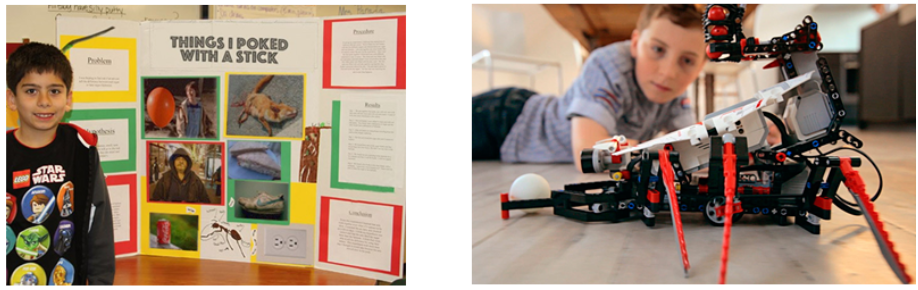
Bad (left below): Captures no spirit of the subject, shows no action, vertical orientation replicates poorly on social media, vertical orientation cannot be used at all on some websites.
Good (right below): Shows action, captures the subject in their own environment, feels unstaged, replicates well on social media and websites.

Note: While headshots like the one above are not great to send with media pitches, it is definitely a best practice to have a recent headshot of key staff members on file for other purposes and specific media requests.
Good vs. Bad: Locator Photos
Bad (left below): Makes a campus look abandoned/lifeless, feels two-dimensional, shows no personal of school or students (could be any school).
Good (right below): Shows people interacting with the place, which gives the space life/personality. Contains depth of field which pulls reader into the photo.

Other No-No’s
Back of Heads: Creates a visual barrier to reader interest in the photo (do you like staring at the back of peoples’ heads?).

Photos You Don’t Own the Actual Legal Rights To: Can potentially expose both your school and the media outlet to legal copyright claims and financial liability. (Note: If a photo was submitted by a parent, student, or staff member, it’s a best practice to ask who took the photo, and ask that person for permission to share with the media for possible use.

Do you have any good tips for sharing the right photo or video that gets your media pitch picked up? Share it in the comments below!
-
 Featured
How to write a press release to make it the ultimate multitool
N ow more than ever, newsrooms are turning to news releases as a primary source of quick, easy-to-produce content that can help them make the most of their shrinking staff and the never-ending need for more material. That makes the press release the perfect doohickey for all the goals you need to accomplish as a communications professional.
-
 Featured
5 questions to ask a reporter to help improve your story pitching
The answers to these five questions can say a lot about what stories a reporter is looking for and how… Read more
-
 Featured
It’s not you, it’s me: Why reporters are rejecting your media pitch and how to move on from it
Whether in love or story pitching, rejection is hard.

 K12pr
K12pr 